Knowing When to Enter
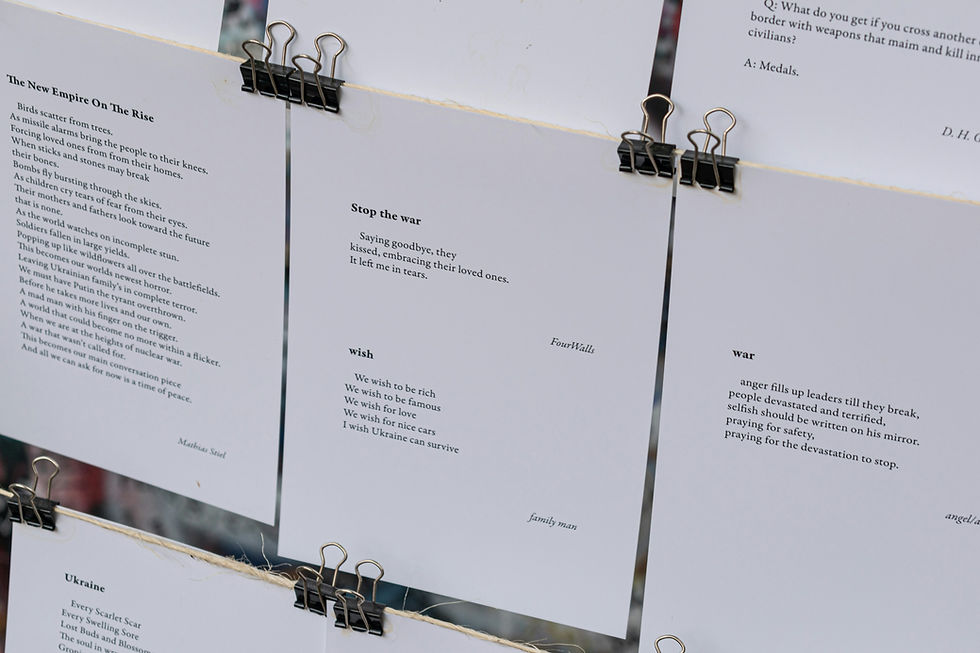
One of the most enjoyable parts about writing a poem is the ability to play around with its shape. It’s a freedom you don’t tend to see amongst prose pieces, where descriptive paragraphs work together to build a longer story. In poetry, you can mold your text in any way you'd like. The arrangement of the words can work as a wonderful visual representation of the piece, creating further symbolism and a fluidity that the reader can understand… Or, they can weaken the intended message of the poem, causing scattered thoughts and a confusing product. It can be difficult to master the balance between the lines of your pieces. Many poets are overly fond of the ‘enter’ key, and create unnecessary stanzas that may divert the reader’s attention from the point of the piece. Knowing when to hit that return button is important, especially when the goal is a poem that flows within itself.
Your poems—and all creative pieces in general—should be written however you want them to be read. They don't need to have twenty stanzas with a dramatic pause after every other word… unless that’s what you feel adds to your piece the most. Isolating words without purposeful intent results in a haphazard rhythm and one that doesn’t at all contribute to the message of your piece. Lone words and phrases should add depth to your piece; something that isn’t purely for visuals. Before you press enter, try reading your poem with the adjustment and without. Does it make more sense when a certain word or phrase is isolated and given its own stanza? Does it flow as nicely?
One tip is to write the first draft of your poem however you originally envisioned it. Add new stanzas when you, the writer, personally find it necessary. If you never really thought about it, pick what feels right. Then, once you’ve reached the conclusion of your poem, delete the blank space that separates each stanza from the next. Remove the barrier that separates one line from its successor; reunite beginnings of sentences to their ends. Delete any punctuation you may have included, and read your poem in one condensed paragraph. From there, decide if entering is necessary. If you come to words that simply cannot work side by side with another, separate them. When you see all of your words next to each other and read it aloud, it becomes easier to know when pauses are necessary.
Some poets might favor a technique where they make one word from a line stand out completely on its own. When performed correctly, it can sharpen the piece with its added meaning. When performed incorrectly, it becomes choppy and confusing and can divert your reader’s attention from the intended message. Your reader may wonder, why did they choose that word? Make sure that the word you plan to isolate is one that can stand alone and that the poem cannot do without in order to maximize your reader’s understanding.
There is absolutely nothing wrong with a poem with short stanzas, one that utilizes word isolation. If it really does create a better piece and contributes to both your visual and emotional message, then continue to use that technique. However, take time to consider the alternate perspective: is sporadic always better? The next time you feel that overwhelming temptation to just press enter, think about it first. Is that particular word or upcoming phrase important enough to have its own spotlight on stage? Or is it merely a connector that other words rely on, a piece of the puzzle that makes the picture
perfect?
Additional Resources:


